
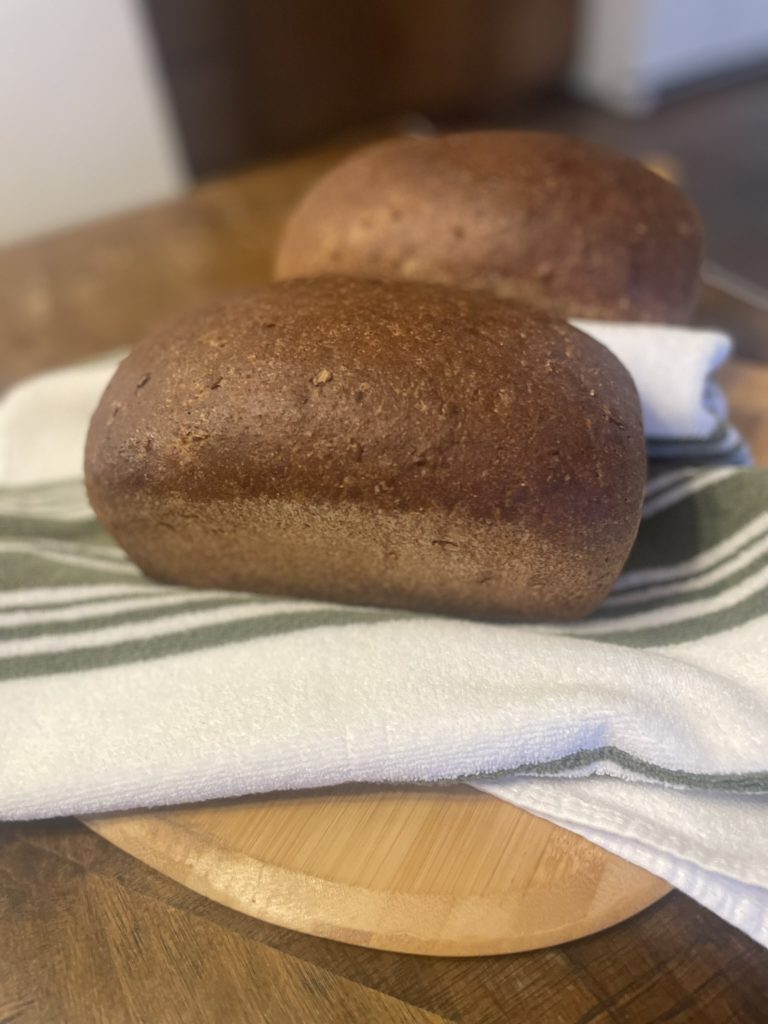
This easy whole wheat sourdough bread made with ancient grains is nutritious and easy to make. My family loves to make toast with this bread! The sourdough and long ferment break down the phytic acids and make it easy to digest!
Why is sourdough?
Sourdough bread is one of the oldest forms of naturally leavened bread. When made with KAMUT whole wheat flour it becomes even better. KAMUT, also known as khorasan wheat, is an ancient grain with a rich buttery, nutty, flavor and high nutrition value.
How we eat this whole wheat bread..
This bread is excellent for toast, and with cozy winter soups. And for a healthy afternoon snack We eat it with honey. This bread makes a hearty sandwich for the school lunches too.
What is an ancient grain?
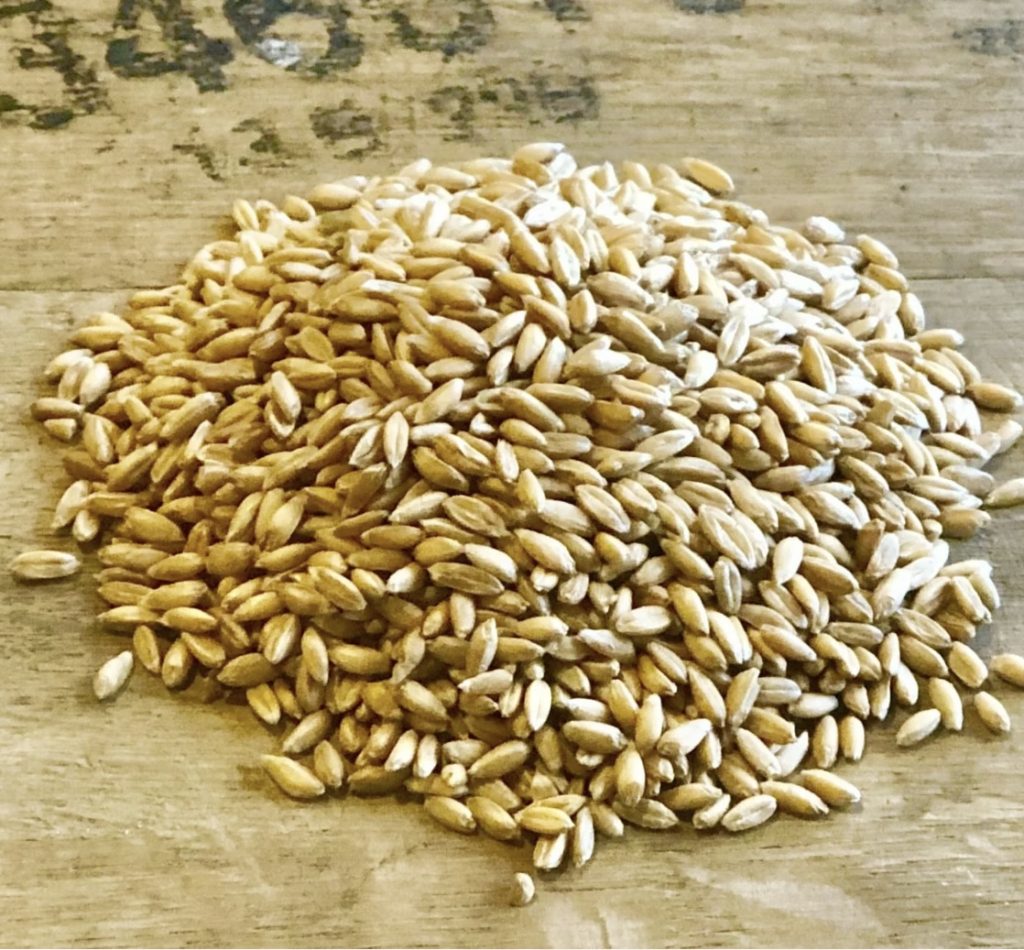
Ancient grains are a variety of grains that have been around from the beginning. Unlike modern wheat which has been bred for high yields and gluten content. Ancient grades are closer to their original form offering superior nutrition and better digestibility.
What are some of these ancient wheat varieties That have not been hybridized like modern wheats?
Kamut ( Khorasan Wheat)- Is a large golden grain with a buttery nutty flavor high in protein and easier to digest than modern wheat. (This is my personal favorite.)
Eincorn– This is the oldest known wheat, with a mild slightly sweet taste lower in gluten and richer in nutrients than modern wheat.
Emmer (Farro)- This is an early Wheat variety used in traditional Mediterranean cuisine. Slightly chewy, with a deep, nutty taste.
Spelt- Spelt is a more common ancient wheat with A sweet, slightly nutty flavor. Contains gluten but is often easier to digest than modern wheat.
Rye– Rye is an ancient grain from grass used as a cereal for centuries in central and Eastern Europe, rye brings unique flavors and colors to food. Rye also has a lower gluten content.
Why ancient grains?
- More nutrient dense– Many ancient grains contain higher levels of protein, fiber, and essential minerals compared to modern grains.
- Better digestibility– Since ancient grains have not been modified many people find them easier to digest even if they do contain gluten.
- Lower glycemic Index– Whole ancient grains release energy more slowly helping regulate blood sugar levels.
- Rich unique flavors- Ancient grains have more complex flavors compared to refined modern wheat.
What about Ancient grain all purpose flour?
YES!! I use ancient grain all purpose flour In my baking. Even though it’s an all purpose flour and doesn’t have all the nutrients in it, it is still a much healthier flour to bake with!
Why bake with sourdough?
Sourdough bread has been a staple in traditional kitchens for centuries and for a good reason it’s nourishing full of gut friendly probiotics and made with simple wholesome ingredients when you bake with whole wheat flour you add even more nutrients and fiber to your daily bread making it a great choice for a healthy hardy loaf.
For many sourdough can feel intimidating and complicated, but it doesn’t have to be. Whether you are a seasoned Baker or just getting started with sourdough this method will give you a reliable flavorful loaf every time. Here are instructions on how to start your own sourdough.
Why Use whole wheat for sourdough bread?
Whole wheat flour is made by grinding the entire wheat kernel, keeping all the natural nutrients intact. Unlike white flour which has been stripped of the bran and germ whole wheat flour retains its fiber, protein, and essential vitamins. Here’s why it’s a great choice for sourdough:
Higher nutritional value- Whole wheat is packed with B vitamins, iron and fiber, which support digestion and overall health.
better blood sugar control– The fiber content slows down the absorption of carbohydrates, preventing blood sugar spikes.
Rich nutty flavor- Whole wheat sourdough has a deeper, more complex taste than white sourdough bread, thanks to the natural earthy flavors of the grain.
If you’ve been baking mostly with white flour, transitioning to whole wheat can be a game changer. Implementation process in Sourdough helps breakdown phytic acid making whole wheat easier to digest and along your body to absorb more nutrients from the grain.
Ingredients you need:
Whole wheat flour – Freshly milled for maximum nutrition and flavor, but store bought works well, too. I use a mixture of fresh ground Kamut and fresh ground Rye.
Active sourdough starter
Honey and/or molasses
Butter– or fat of your choice
Sea salt-I use sea salt
Water–
Optional– Vital wheat gluten
Step -by-step instructions:
1. Start by combining hot water, honey, Molasses, And butter, Whisk together till butter, honey, and molasses are melted together. Add the active bubbly sourdough starter and salt, whisk together. Now add the whole wheat flour until you have a sticky dough. I love using my Danish dough whisk for this! You can purchase it here.
2. Bulk fermentation and stretch and folds- If you have a stand mixer, you can need your dough till it passes the window pane test, add skip the stretching folds. For stretch and folds let dough rest covered for 30 mins. Wet your hands, grab one side of the dough, stretch it upward, and fold it over itself. Turn the bowl and repeat on all four sides. Repeat This stretch and fold every 30 minutes for two hours. Cover your dough and leave on counter overnight.
3. shape the dough
once dough has fermented , lightly flour a clean surface and turn dough out onto it. Gently shape it into an oval an put in your greased loaf pan. Use a bench scraper or your hands to create tension on the surface helping the dough hold its shape. I usually do this in the morning when I get up. now let it proof another 2-4 hours, depending on the temperature of your kitchen.
4. Baking your bread
Preheat your oven to 400 degrees Fahrenheit. When oven is preheated, put bread in the oven and turn temperature down to 375 degrees. Bake for 30 minutes, turn oven down to 350 degrees add bake another 10-15 minutes.
5. Cool and enjoy
Resist the temptation to cut into the bread right away, let it cool on a wire rack for at least an hour before cutting.
Troubleshooting tips
Tips Working with commute flour
- Hydration: Commute absorbs less water than modern whole wheat, so avoid adding too much liquid.
- Handling: The gluten and commute is weaker, so dough will feel softer and more fragile. Gentle handling is the key.
- Fermentation: Kamut ferments slightly faster than regular wheat, so keep an eye on your dough to prevent over over-proofing.
Storing and freezing
Store the bread at room temperature for three to four days in a paper bag or wrapped in a kitchen towel
https://shorturl.fm/5QLir
https://shorturl.fm/RvVBn
Sign up now and access top-converting affiliate offers!
Join our affiliate program and watch your earnings skyrocket—sign up now!